How Structured Data SEO Shapes Your Search Presence
When I first started working with structured data, I treated it like a set-it-and-forget-it task. Map a few schema.org properties, add them to the page, move on. That approach worked okay for a while, but it missed the point entirely. Structured data is not a checkbox. It is a signal you send to search engines about what your content actually means. And when you treat it as a core part of your structured data SEO strategy, the results go beyond just rich snippets.
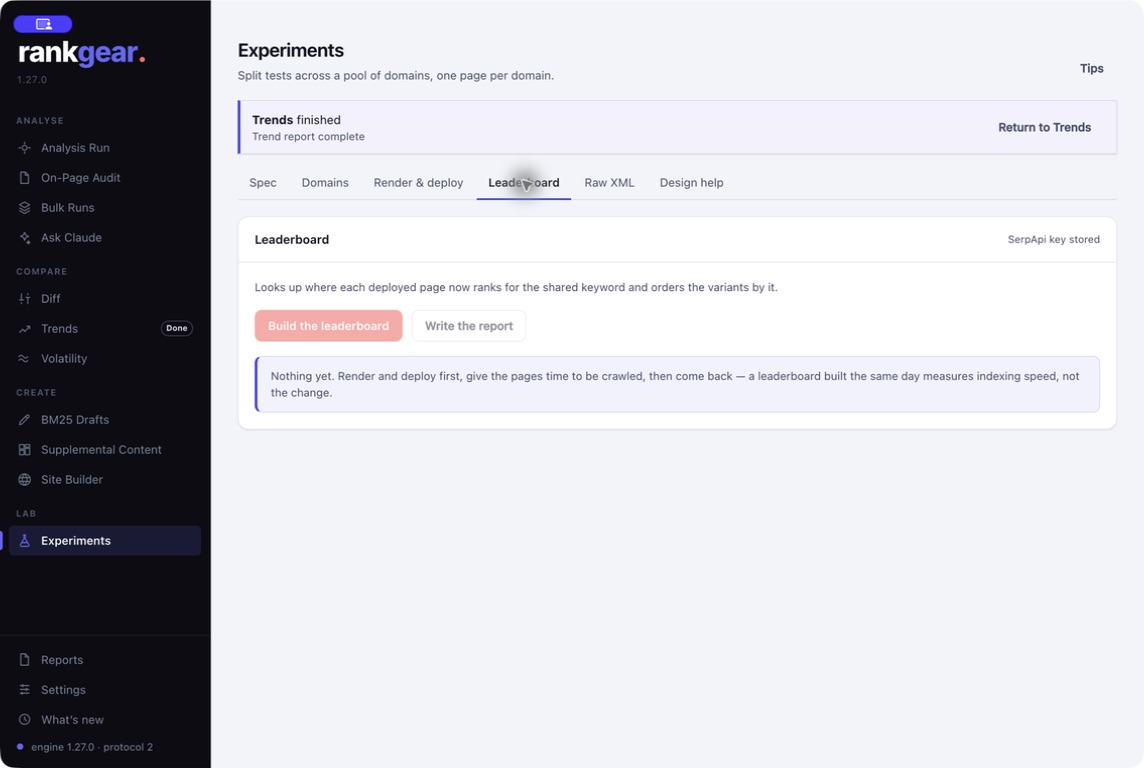
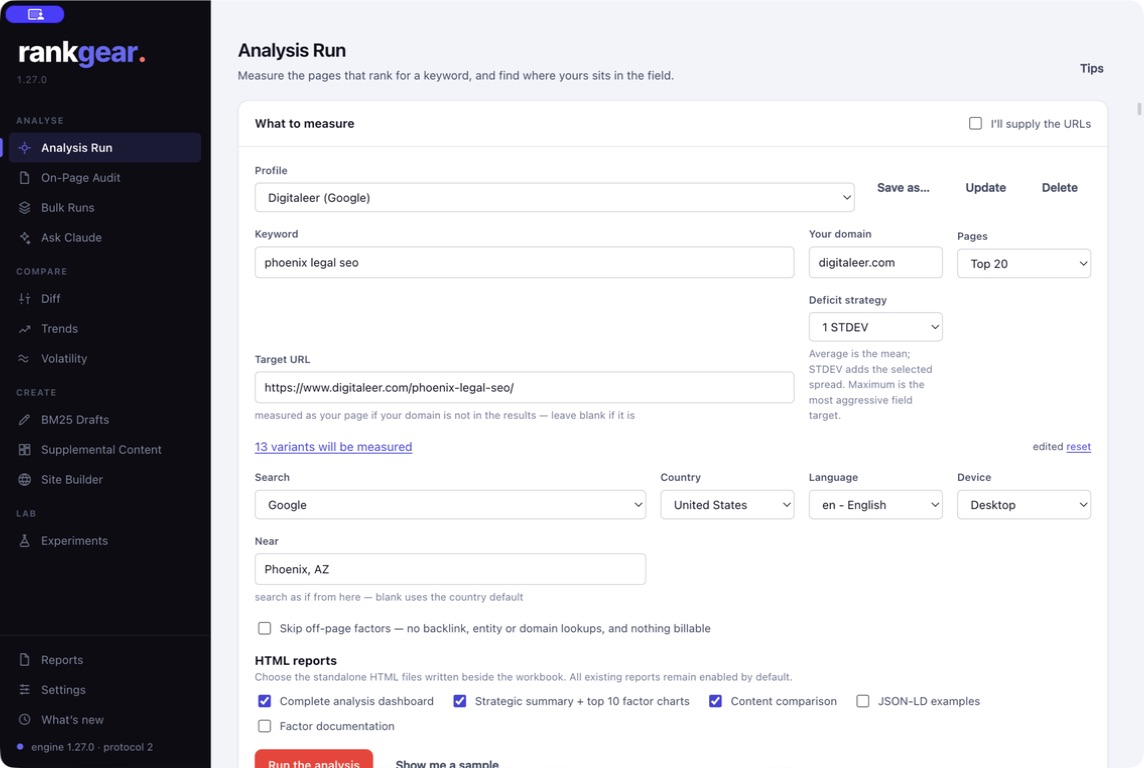
Over the years I have tested dozens of markup approaches across different sites. Some changes moved the needle on click-through rates noticeably. Others did nothing visible but still seemed to help pages rank a little better over time. The difference came down to how carefully I matched the markup to the searcher’s intent and the query landscape. That is where tools like RankGear become useful. They help you see which ranking factors actually correlate with top positions for specific queries, so you know where to invest your effort.
Why Structured Data Matters Beyond Rich Results
Most people think of structured data as the thing that generates star ratings in search results or recipe timers. And yes, that is part of it. But the deeper value is in helping Google and other search engines build their knowledge graph with accurate, well-connected facts about your business and content. When your schema.org markup is clean and complete, you increase the chance that your information appears in knowledge panels, Google’s answer boxes, and even voice search responses.
I have seen sites where adding product schema to a category page led to a 30 percent increase in organic traffic within a month, even though the snippet itself did not change much. The markup helped Google understand the relationships between different products and variants, which improved the site’s overall authority signals. That kind of lift does not happen with every implementation, but it shows what is possible when structured data is treated as part of on-page SEO, not an afterthought.
Choosing the Right Format and Properties
JSON-LD has become the recommended format for most implementations. Google Search Central and the Webmaster Guidelines both point to it as the preferred way to add structured data. RDFa and microdata still work, but JSON-LD is cleaner to maintain and less likely to break when you update your templates. I have migrated several sites from microdata to JSON-LD and every time the process went smoothly. The markup sits in a script tag in the head or body, completely separate from the visible HTML, which makes debugging much easier.
That said, picking the right schema.org types and properties matters more than the format. If you mark up a blog post as an Article, you are telling Google that the page is an article. But if you mark up a product review page as a Product with an AggregateRating, you give the search engine much more useful information. The difference in how Bing or Yandex interpret those signals can affect whether your page appears in a featured snippet or a knowledge panel.
Common Schema Types That Drive Results
- Product schema for ecommerce pages, especially with offers, reviews, and brand properties
- FAQ schema for pages that answer common questions, as it can generate expandable rich snippets
- LocalBusiness schema for brick-and-mortar locations, including hours, address, and phone number
- Article schema for news and blog content, with headline, image, and author properties
- Recipe schema for food sites, with cook time, ingredients, and nutrition info
Each of these types has sub-properties that you can fill in. The more relevant ones you include, the better the search engine can understand the page. But do not add properties just for the sake of completeness. If a property does not apply, leave it out. Incorrect or misleading markup can lead to manual actions or, at minimum, wasted effort.
How Structured Data Interacts with Ranking Factors
Structured data is not a direct ranking factor in the same way that content relevance or backlinks are. But it influences several things that search engines measure. For example, when your markup helps Google generate a rich snippet, the snippet often gets a higher click-through rate. More clicks signal to the search engine that users find your result useful, which can indirectly boost your ranking for that query. This is where the connection between structured data SEO and overall SEO strategy becomes clear.
I have also noticed that pages with well-implemented structured data tend to perform better in terms of crawl efficiency. Search engine bots can parse JSON-LD quickly and extract key facts without having to guess what the page is about. That means your content gets indexed faster and with higher confidence. For sites that publish frequently or have large product catalogs, that speed advantage can make a real difference in how quickly new pages start ranking.
RankGear’s approach to analyzing ranking factors for specific queries aligns well with this mindset. Instead of guessing which schema types matter for your niche, you can look at the data from top-performing pages to see what markup they use. Sometimes you will find that the top results all use FAQ schema, while the lower-ranking ones do not. That pattern suggests that adding FAQ schema could give you a competitive edge for that particular keyword.
Practical Tips for Implementing Structured Data
Start with the most important pages on your site. Your homepage, your top product or service pages, and any content that targets high-volume queries. Do not try to mark up every page at once. That approach leads to mistakes and makes it hard to track what is working. Instead, pick three to five pages, add the relevant schema.org markup, and monitor the results in Google Search Console and other analytics tools.

Use Google’s Rich Results Test tool to validate your markup. It will tell you if the properties are recognized and if any errors exist. I have caught dozens of small mistakes this way, like missing required fields or incorrect nesting of types. Fixing those before the markup goes live saves you from having to debug later. Also, check your markup against the Webmaster Guidelines to ensure you are not using any disallowed types or properties.
Another tip is to combine structured data with your keyword research. When you identify a keyword that frequently triggers featured snippets or knowledge panels, look at the schema types used by the pages that currently hold those spots. Often you will see a pattern. If the top results for a question-based query all use FAQ schema, then adding it to your own content becomes a logical next step. This is where tools like RankGear can help connect the dots between ranking factors and actionable markup decisions.
Bing and Yandex also support many of the same schema.org types, so the work you do for Google usually benefits your presence on those engines as well. I have seen Yahoo (which uses Bing’s index) display rich snippets based on my JSON-LD markup even when Google chose not to show them. The extra visibility costs nothing and takes no additional effort once the markup is in place.
Avoiding Common Pitfalls
One mistake I see often is over-markup. People add schema types to every element on the page, hoping that more data equals better results. That approach backfires because it creates noise. Search engines have to work harder to find the primary subject of the page. Stick to one main schema type per page, and nest additional types only when they are directly related. For example, a Product page can nest an Offer and an AggregateRating, but it should not also declare itself as an Article unless the content truly functions as both.
Another pitfall is using incorrect property values. If your business is open 9 to 5 on weekdays, do not mark it as open 24/7 just because you think that might help. Misleading markup can lead to a manual action from Google, and recovering from that is much harder than getting the markup right the first time. The Webmaster Guidelines are clear: structured data must represent the visible content on the page. If a property value is not visible to users, you should not include it unless the schema specifically allows it (like the hidden property for some types).
Finally, do not forget to update your structured data when your content changes. If you add a new FAQ to a page, update the corresponding FAQ schema entry. If a product goes out of stock, update the offer availability. Stale markup can cause Google to stop showing rich snippets for that page, and it may even degrade your overall trust signals. Regular audits of your structured data, perhaps quarterly, keep everything aligned with your current content.
Measuring the Impact
Track how often your pages appear in rich results. Google Search Console has a dedicated report for that. Compare the click-through rates of pages with and without structured data. If you see a consistent uplift for pages with markup, you have a strong signal that your structured data SEO efforts are paying off. Also monitor your ranking positions for the specific queries you targeted. Sometimes the ranking improvement takes weeks to appear, so be patient.
I once worked on a site that sold pet supplies. We added product schema to the top 20 product pages. Within two months, those pages averaged a 15 percent higher CTR than similar pages without markup. The ranking for the main keywords stayed roughly the same, but the extra clicks translated into more sales. That is the kind of measurable result that makes structured data worth the investment. It is not about gaming the system. It is about helping search engines serve your content to the right people in the most useful format.
Ends · THESTRUCTUREDDATASEOVIEW